This project aims to understand passive sustainable design in vernacular-built environments in hot and arid climates, particularly in the Arab world and the middle east, to help us learn about effective, less energy-consuming systems that could be integrated into our modern-day sustainable architecture and built environments. The study also highlights the regional and cultural factors that influenced how the inhabitants built and used the spaces to help students learn about Arab and Islamic art, architecture, and culture.
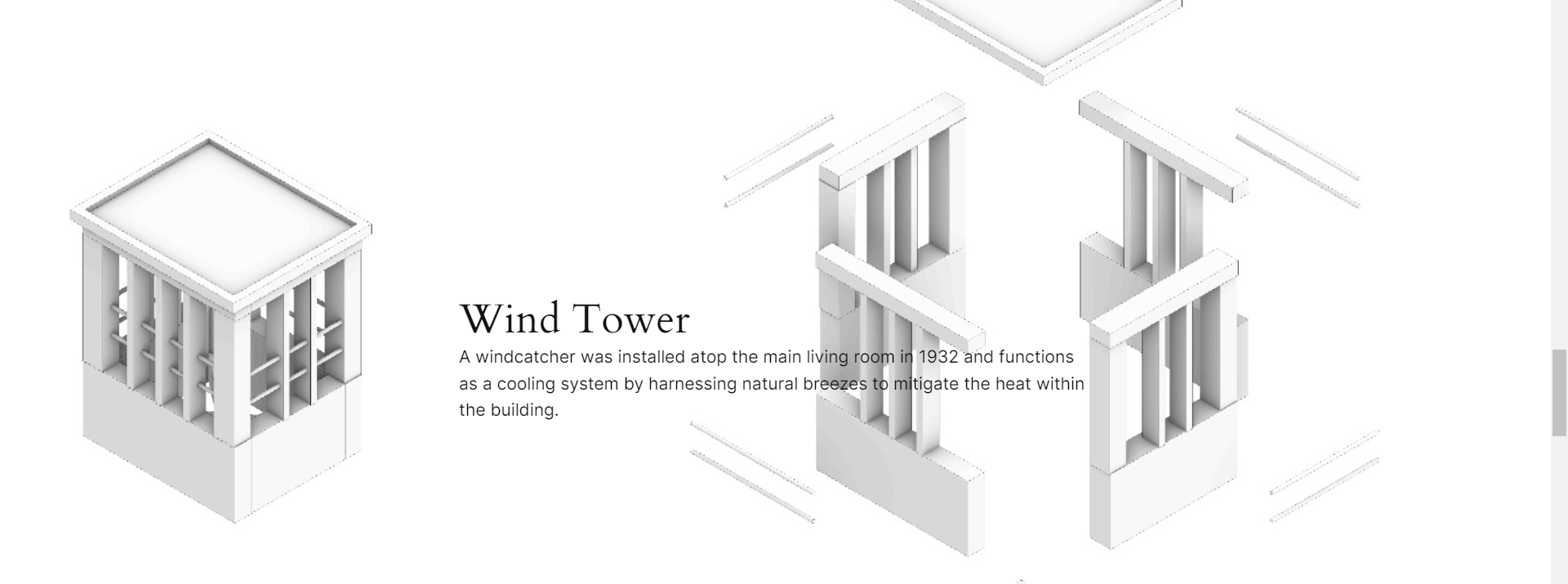
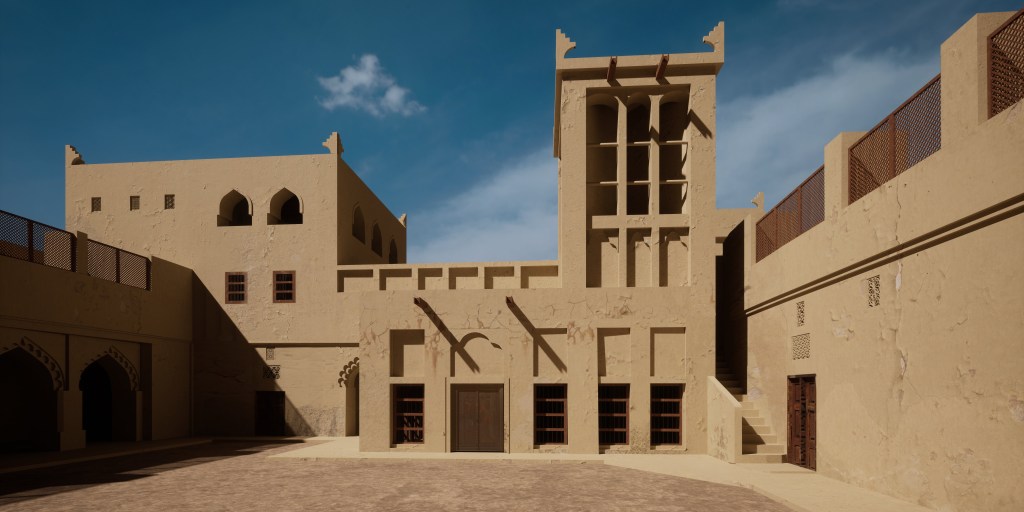
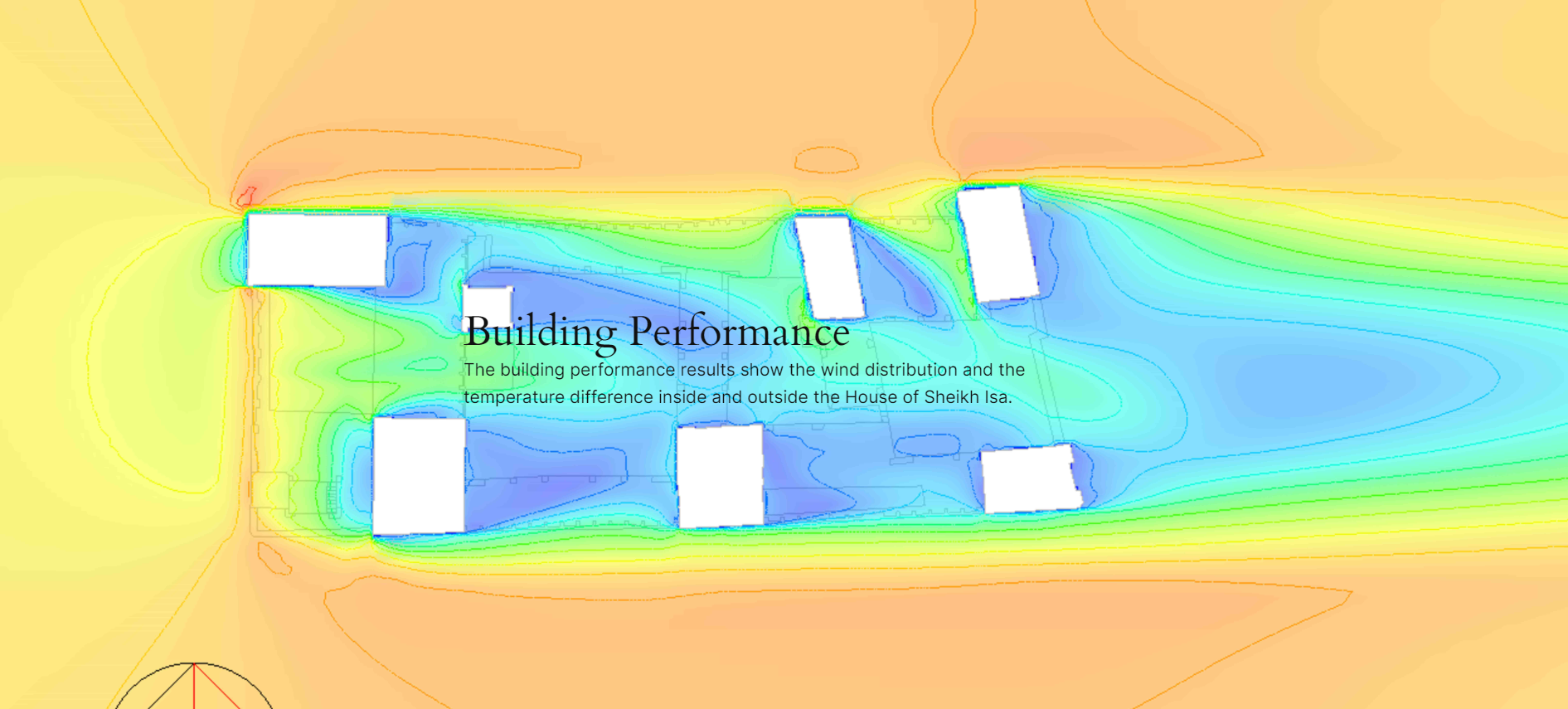
The study aims to bring that knowledge to the classrooms through an immersive, interactive, virtual reality educational application. The house of Sheikh Isa in Bahrain was selected as the first building for this multi-phased study. The house was built in 1800 and was the residence of the king of Bahrain. Today, it is a tourist attraction as part of the UNESCO Pearling Path. The 3D VR model of Sheikh Isa house will be used for the building performance simulation, attempting to use state-of-the-art technology to re-interpret the passive solar cooling systems applied in the building.
Collaborators
- Faculty PI: Eiman Elgewely, Ph.D.
Assistant professor of Interior Design, School Design, College of Architecture, Art, and Design(AAD). Director of the visualization and Virtual reality lab (VVL).
eelgewely@vt.edu - Thomas Tucker, M.F.A.
Associate Professor, Creative Technologies,
School of Visual Arts, College of Architecture, Art, and Design(AAD). - thomasjt@vt.edu
- Todd Ogle, Ph.D.
Executive Director of The Applied Research in Immersive Experiences and Simulations (ARIES) program in the University Libraries.
jogle@vt.edu - David Hicks, Ph.D.
Professor of Education, School of Education,
College of Liberal Arts and Human Sciences.
hicks@vt.edu
 Visualization and Virtual Reality Lab